MoneyHash Partners with Geidea to Expand Payment Capabilities Across Saudi Arabia, UAE and Egypt

MoneyHash, a payment orchestration platform, has partnered with regional payments company Geidea to expand payment capabilities available to businesses across Saudi Arabia, the UAE and Egypt. Through the partnership, companies already integrated with MoneyHash can access Geidea’s online payment gateway and supported payment methods without building and maintaining a separate technical integration.
The collaboration adds Geidea to MoneyHash’s unified payment infrastructure, enabling merchants to manage its services alongside other payment providers and payment methods through the same orchestration layer. The model is designed to reduce the technical complexity businesses face when operating multiple payment providers, particularly as they expand into new markets.
MoneyHash provides infrastructure that connects businesses with multiple payment providers through a single integration, rather than requiring separate integrations with gateways, acquirers and local payment methods in each market. Under the new partnership, businesses using MoneyHash can activate Geidea’s capabilities within their existing infrastructure without creating a separate connection.
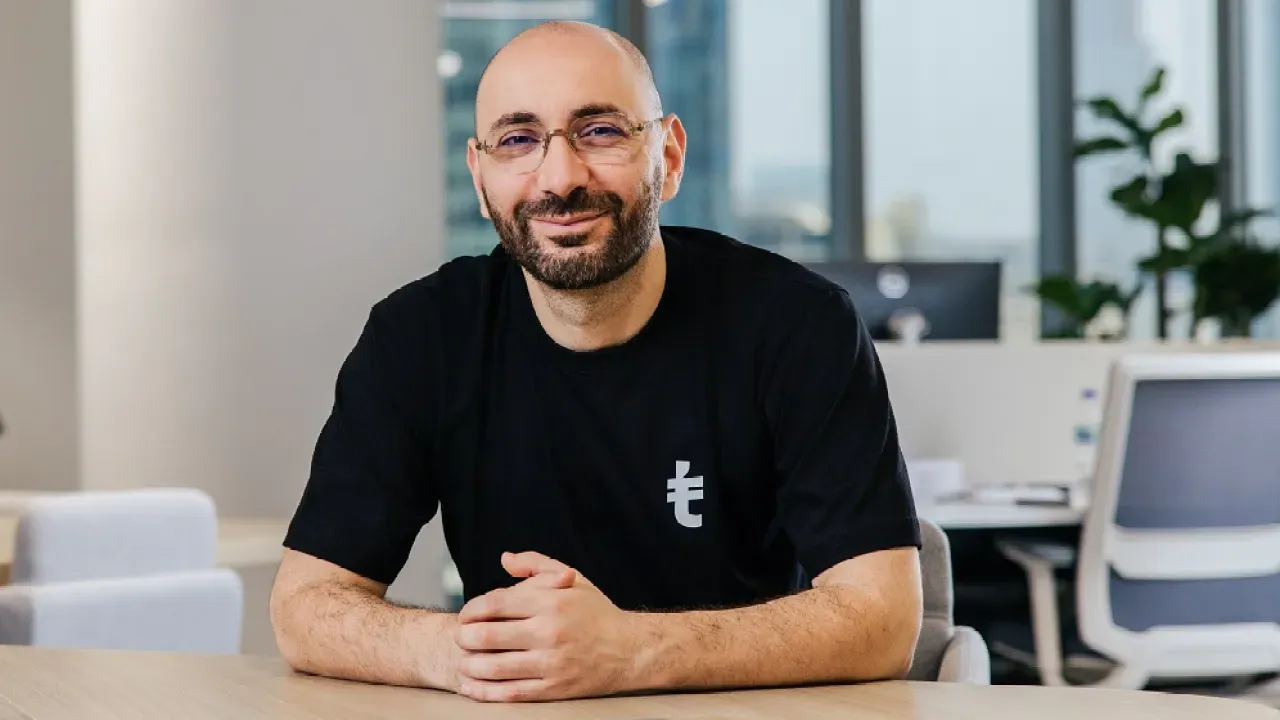
“Businesses should be spending their time building great products, serving customers, and growing into new markets, not repeatedly rebuilding and maintaining payment infrastructure,” said Nader Abdelrazik, CEO and Co-founder of MoneyHash. “Bringing its strong regional payment capabilities into the MoneyHash ecosystem gives businesses a simpler way to access the infrastructure they need while we take care of the complexity behind the scenes.”
Founded in Saudi Arabia in 2008, Geidea has developed into a regional payments provider operating across Saudi Arabia, the UAE and Egypt. Its capabilities include payment acquiring in Saudi Arabia and the UAE and payment aggregation in Egypt, alongside online payment gateways, point-of-sale systems, payment terminals and business management tools.
Integrating these capabilities into MoneyHash gives merchants another route to payment infrastructure across three major Middle Eastern and North African markets. Pankaj Kundra, CEO of Geidea UAE, said the partnership is designed to provide businesses with greater flexibility in managing payments as they expand.
“Our collaboration with MoneyHash makes Geidea’s payment capabilities easier to access through a flexible, connected infrastructure,” Kundra said. “Together, we’re giving businesses greater choice and flexibility in how they manage payments and scale across the region.”
MoneyHash’s payment orchestration platform allows businesses to integrate and operate multiple payment services through a single API. Its infrastructure includes smart payment routing, multi-currency processing and a unified dashboard, enabling companies to manage different parts of their payment stack through one system.
The partnership addresses payment complexity faced by businesses operating across multiple markets, where customer preferences, providers and payment infrastructure can vary from one country to another. Rather than replacing individual payment providers, MoneyHash acts as the infrastructure connecting them, allowing businesses to add or change payment capabilities without rebuilding significant parts of their underlying payment systems.
The collaboration comes as digital businesses across the region increasingly operate across borders, creating demand for flexible payment infrastructure capable of adapting to different markets and customer preferences. For MoneyHash, adding Geidea expands the range of regional payment capabilities accessible through its orchestration platform, while the integration provides Geidea with another channel through which businesses can access its services.
The partnership was marked during Seamless Middle East in Dubai, where Abdelrazik and Kundra met ahead of the official announcement. The integration is designed to give merchants greater flexibility to activate new payment services and enter additional markets without repeatedly rebuilding their payment infrastructure.